
The First Practice Nights
Who is coming on Wednesday, and who has stopped coming without saying so?
A hall calendar answers the first half of that by itself. Set the panel below to your own weeknight and read the three dates it hands back.
Those are dates a member could have on their phone tonight, and they cost an officer nothing to hand over.
A date a member has to remember to go and check is a date they miss once and then stop checking.
One calendar, named event types
Practice nights, truck and equipment checks, special training sessions, community outreach, fundraising. Give every date a type and the calendar describes the department instead of listing it.
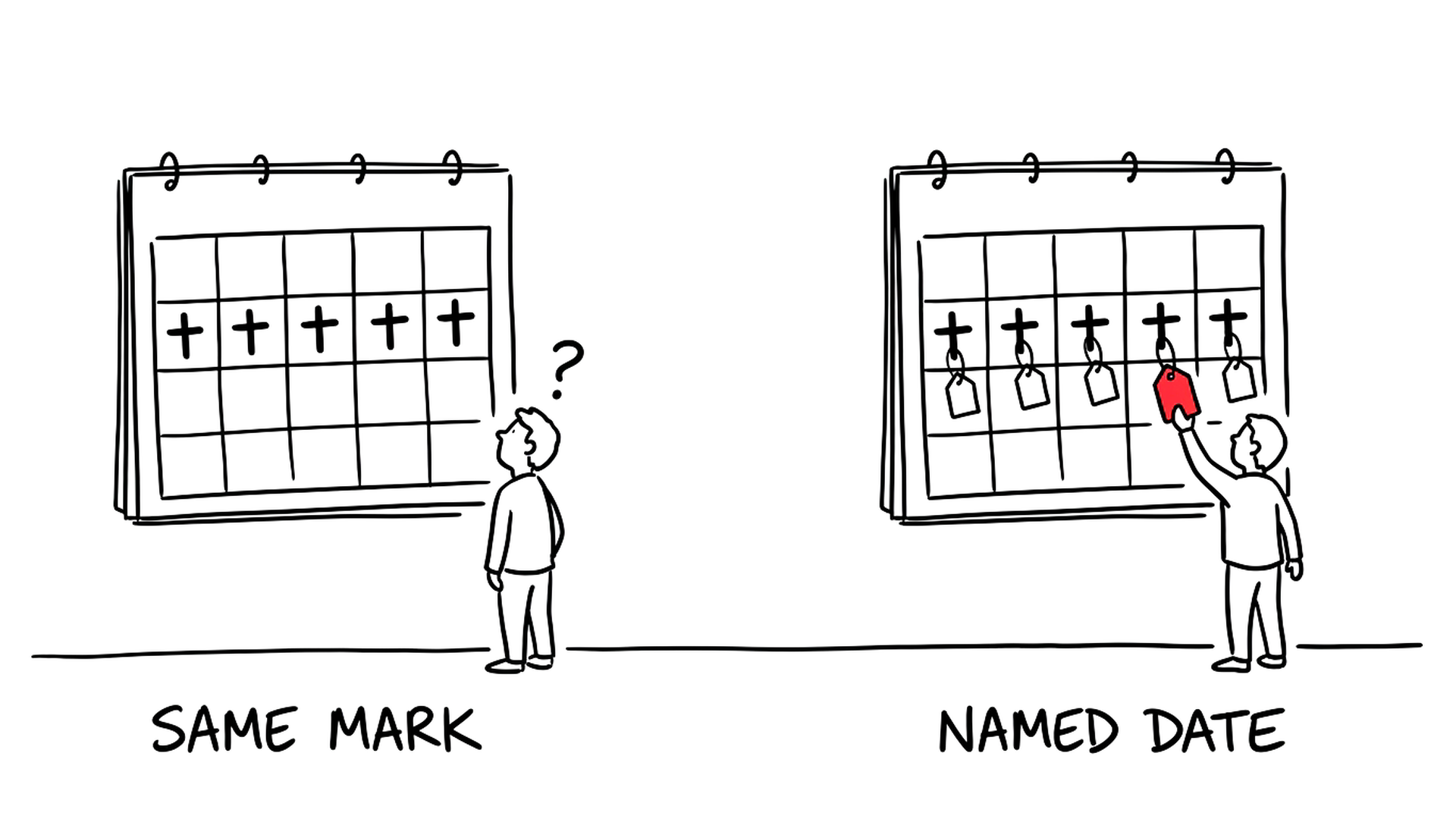
A new recruit cannot yet tell which dates are expected of them and which are open to anyone, so say it in the event type.
Who is drifting, and how you know
Three missed dates in a row is a pattern rather than a bad month. The calendar will not tell you which, and it will tell you exactly who to ask.
Ask early and ask privately. Somebody missing four Wednesdays for shift work looks identical to somebody who has drifted off, and only the conversation separates them.
Check yourself
Two situations. No answer is saved, so take them at speed.
A new recruit misses their first two dates. The calendar shows both were truck and equipment checks rather than Practice nights. What does that change?
The type tells you which absences were expected of them, so ask before assuming
Nothing, because two missed dates are two missed dates
It proves the recruit has lost interest in the department
An untyped calendar makes every absence look the same weight. Typed, it separates the date somebody owed the hall from the date they were welcome at.
An officer wants to know who is drifting. Which is the more useful reading of the calendar?
Total attendance across the whole membership this quarter
The members whose last three expected dates were all missed
The dates that fewest members attended
A quarter total hides the individual. Reading it member by member is what turns a calendar into an early signal.
Where this lesson's claims come from
The event types named above are examples rather than a required set, and three missed dates is this course's own rule of thumb rather than a measured threshold. What counts as an expected date is your department's decision and nobody else's.